
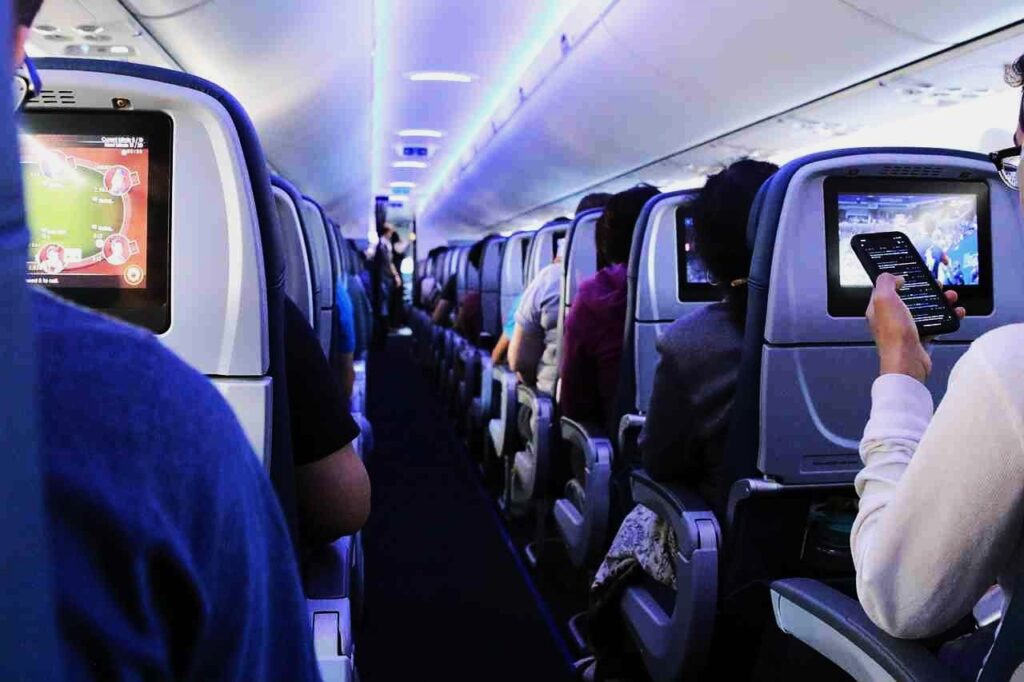
Modern Travel in the UK How Smart Transport Is Changing Daily Journeys
Modern travel in the UK is evolving faster than ever before. From smart ticketing systems to app-based journey planning and cleaner transport options, the way people move through cities and between towns is no longer what it was even five years ago. Daily commuting, short trips, and long-distance travel are now shaped by technology, data, and smarter infrastructure designed to save time, reduce costs, and improve safety. As population density increases and sustainability becomes a national priority, smart transport is no longer a luxury. It has become a necessity for modern UK travel.
The Rise of Smart Transport Across the UK
Smart transport refers to the use of digital technology, automation, and real-time data to improve how people travel. In the UK, this includes everything from contactless payments on public transport to AI-powered traffic management systems. Major cities such as London, Manchester, Birmingham, and Leeds have already integrated smart mobility solutions into daily life. Travelers can now plan routes, check delays, book transport, and make payments using a single smartphone. This shift has made modern travel more efficient and less stressful, particularly for daily commuters. Government investment in smart transport infrastructure has also played a major role. Projects focusing on intelligent traffic signals, smart motorways, and digital rail systems are helping reduce congestion and improve journey reliability.
How Smart Transport Is Improving Daily Commuting
For millions of people in the UK, daily commuting is unavoidable. Smart transport systems are changing how commuters experience these journeys. Real-time travel updates allow commuters to avoid delays by choosing alternative routes or modes of transport. Smart rail systems provide live train tracking, platform changes, and accurate arrival times. Bus passengers benefit from digital timetables and mobile alerts that reduce waiting times. Contactless and mobile payments have removed the need for physical tickets, speeding up boarding times and reducing queues. This has been especially impactful during peak hours, where efficiency matters most. Overall, smart transport has turned commuting into a more predictable and manageable part of modern UK life.
Smart Mobility and Sustainable Travel Solutions
Sustainability is at the heart of modern travel in the UK. Smart transport supports this goal by promoting cleaner, more efficient travel options. Electric buses, low-emission zones, and smart traffic flow systems help reduce air pollution in urban areas. Digital tools encourage shared mobility, such as car-sharing, bike-sharing, and ride-pooling services, which reduce the number of vehicles on the road. Many UK cities now use data analytics to monitor traffic patterns and emissions. This information allows authorities to adjust transport policies and infrastructure planning to support greener travel choices. For travelers, this means more environmentally responsible journeys without sacrificing convenience or comfort.
The Role of Technology in Modern UK Travel Planning
Technology has become central to how people plan travel in the UK. Journey planning apps combine multiple transport modes into one seamless experience. Travelers can compare costs, travel times, and carbon impact before choosing the best option. Smart navigation tools help drivers avoid congestion, while public transport apps provide accurate updates during disruptions. Even airport transfers and intercity travel are increasingly planned through digital platforms that offer transparency and flexibility. This shift has empowered travelers to make informed decisions, saving both time and money while reducing uncertainty during journeys.
Safer Journeys Through Intelligent Transport Systems
Safety is another major benefit of smart transport. Intelligent transport systems use sensors, cameras, and data analysis to reduce accidents and improve road safety. Smart motorways adjust speed limits based on traffic conditions, while automated alerts warn drivers of hazards ahead. Public transport systems use monitoring technology to improve passenger safety and manage crowd control during busy periods. For pedestrians and cyclists, smart crossings and traffic signals improve visibility and reduce risk. These advancements make modern travel in the UK safer for everyone, regardless of how they move.
How Smart Transport Supports Tourists and Occasional Travelers
Smart transport is not only beneficial for daily commuters. Tourists and occasional travelers also gain significant advantages. Clear digital signage, multilingual travel apps, and simplified payment systems make navigating UK transport networks easier for visitors. Real-time updates help travelers stay on schedule, even in unfamiliar locations. For those exploring multiple destinations, smart transport solutions reduce confusion and improve overall travel experiences. This accessibility supports the UK’s reputation as a modern, travel-friendly destination.
Challenges and the Road Ahead for Smart Travel
Despite its benefits, smart transport still faces challenges. Infrastructure upgrades require significant investment, and not all regions have equal access to advanced systems. Rural areas, in particular, may experience slower adoption compared to major cities. Data privacy and system reliability are also important concerns. Ensuring secure platforms and consistent service remains a priority for transport authorities. However, ongoing innovation and policy support suggest that smart transport will continue to expand. As technology improves, modern travel in the UK will become even more connected, sustainable, and user-focused.
The Future of Modern Travel in the UK
Smart transport is reshaping daily journeys across the UK. What was once time-consuming and unpredictable is becoming efficient, safer, and more environmentally responsible. As digital infrastructure continues to grow, travelers can expect smarter mobility solutions that adapt to their needs in real time. From daily commutes to long-distance travel, modern travel in the UK is moving toward a future defined by smarter choices, better planning, and improved quality of life. For anyone navigating the UK today, smart transport is no longer a glimpse of the future. It is already part of everyday travel.